

Preparing for a Recession
Summary
- Build an emergency fund that can help cover essential expenses if your income changes.
- Review your budget and look for ways to create more room for higher costs or an unexpected loss of income.
- Reducing high-interest debt can lower monthly obligations and give you more financial flexibility.
- Avoid making rushed decisions about retirement savings during market downturns; review your options and consider professional guidance.
- Preparing before a recession can strengthen your finances for other unexpected challenges, too.
Economic downturns can affect jobs, prices, investments and household budgets in different ways. You may not be able to predict when a recession will happen or exactly how it will affect you, but you can take practical steps now to make your finances more resilient.
Strengthen Your Emergency Savings
A job loss or reduction in income can be one of the biggest financial concerns during a recession. Your individual risk depends on factors such as your industry, your employer and your role, many of which are outside your control.
An emergency fund can give you a financial cushion if your income changes unexpectedly. A common goal is to save enough to cover three to six months of essential expenses. If that amount feels out of reach, start with what you can. Building savings gradually can still make an unexpected expense or income disruption easier to manage.
Keep emergency savings somewhere secure and accessible. The goal is to be able to reach the money when you need it without relying on credit or selling investments at an inconvenient time.
Prepare for a possible job loss
You can also take practical steps before a job loss occurs:
- Keep your resume current so you are ready to begin a job search if needed.
- Review your monthly expenses and identify costs you could reduce quickly.
- Ask lenders or other service providers what assistance options may be available if your income changes.
- Understand how losing employer-sponsored health coverage could affect your budget and what continuation or replacement coverage may be available.
- Learn about unemployment benefits in your state and the requirements for applying.
Having this information ready can reduce the number of decisions you need to make during an already stressful transition.
Review Your Retirement Strategy
Recessions and market downturns can affect retirement account balances. A falling balance can be unsettling, but reacting quickly to short-term market movements may create additional consequences.
Before changing your retirement investments or withdrawing money, review your goals, time horizon and the rules that apply to your account. Early withdrawals from retirement accounts may result in taxes or penalties, depending on the account and your circumstances.
Investment choices involve different types and levels of risk. If you are unsure how your portfolio fits your retirement timeline, consider speaking with a qualified financial professional about your options rather than making changes based only on current market conditions.
Create More Room in Your Budget
A flexible budget can help you respond when essential expenses change. Review where your money goes each month and separate needs from expenses that could be reduced or delayed if necessary.
Look for opportunities to create breathing room before you need it. Even small changes can free up money for emergency savings, debt payments or other priorities.
If you use digital budgeting tools, tracking spending and cash flow regularly can help you spot changes early and adjust your plan as your circumstances change.
Reduce Debt Where You Can
Debt payments can make it harder to adjust when income falls or expenses rise. Reducing debt, especially higher-interest debt, can lower your monthly obligations and create more flexibility in your budget.
Different types of debt may call for different repayment strategies. Review interest rates, required payments and the consequences of paying one balance before another. The goal is not necessarily to eliminate every debt before a recession, but to understand what you owe and make deliberate progress where it can have the greatest impact.
Available credit can be useful, but it is not a substitute for emergency savings. Relying heavily on borrowed money during a financial setback can add new payments and interest costs at a time when your budget is already under pressure.
Build Financial Resilience Before You Need It
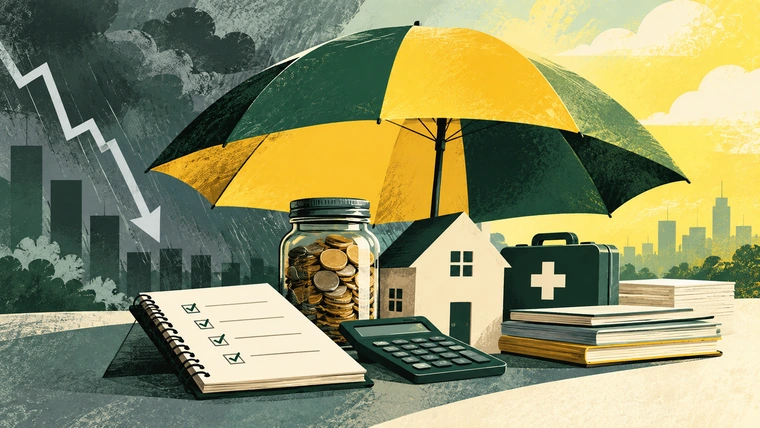
Preparing for a recession is less about predicting the economy and more about strengthening the parts of your finances you can control. Emergency savings, a flexible budget, manageable debt and a retirement strategy aligned with your goals can help you respond more confidently when circumstances change.
Start with one step that fits your situation today. Over time, those decisions can build a stronger financial foundation for a recession or other unexpected financial challenge.