

14 Practical Ways to Cut Household Expenses
Summary
- Start with flexible spending categories, such as entertainment, hobbies and food, where small adjustments may be easier to make.
- Review recurring costs and monthly bills for services you no longer use or could get for less.
- Changes to utilities, insurance and housing can create additional room in your budget, but some require more planning than others.
- When you reduce expenses, decide how you want to use the money you keep, including paying down debt or building savings.
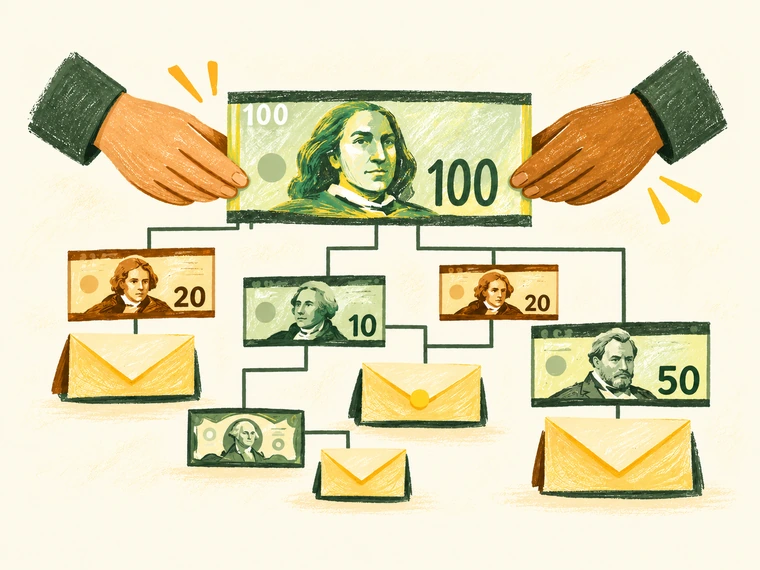
Changes in the economy, your household or your financial goals can be a good reason to revisit your spending. Start by reviewing your budget so you can track where your money goes. Then look for expenses you can reduce without making changes that are difficult to maintain.
Cut Entertainment and Hobby Costs
1. Swap a Night Out for a Night In
Entertainment does not have to disappear from your budget. Try replacing some paid outings with lower-cost options at home, such as a movie night or board games, to avoid expenses like admission, parking and dining out.
2. Review Your Subscriptions
Streaming services, music platforms, gym memberships and other subscriptions can add up. Check which ones you actually use and consider canceling or pausing the ones that no longer feel worth the monthly cost.
3. Find Lower-Cost Ways to Enjoy Your Hobbies
You may be able to keep doing what you enjoy without always choosing the most expensive option. An at-home workout can replace some gym visits, and using materials you already own can make a hobby project more affordable.
4. Use What You Already Have
Before buying new supplies, books or equipment, take stock of what is already at home. Finishing what you have first can slow unnecessary spending and help you get more value from previous purchases.
5. Make Travel Choices With Cost In Mind
A few changes can lower the cost of a trip. Depending on your plans, that could mean driving instead of flying, camping instead of booking a hotel or traveling during a less expensive time of year.
6. Consider Buying Used
When you need clothing, furniture or other household items, check thrift stores, resale shops or garage sales before buying new. Used items can sometimes meet the same need at a lower cost.
Spend Less on Food Without Complicating Meals
Food is essential, but the way you shop, cook and eat can affect how much it costs. A few planning habits can help reduce food spending without turning every meal into a major project.
7. Eat Out Less Often
Restaurant meals usually cost more than preparing food at home. Consider setting a monthly limit for dining out or choosing restaurants that fit a price range you are comfortable with.
8. Plan for Leftovers
When you cook, make enough to use part of the meal again. Leftovers can become an easy lunch or another dinner, helping you get more from the food and time you already spent preparing it.
9. Focus Your Grocery List on What You Will Use
Prioritize foods you know your household will eat and ingredients that can work in more than one meal. This can help reduce purchases that sit unused until they go bad.
10. Plan or Prepare Meals Ahead of Time
A meal plan can make it easier to decide what to cook before you are hungry and short on time. Having ingredients or prepared food ready may also make takeout and drive-thru stops less tempting.
Look for Savings in Monthly Bills
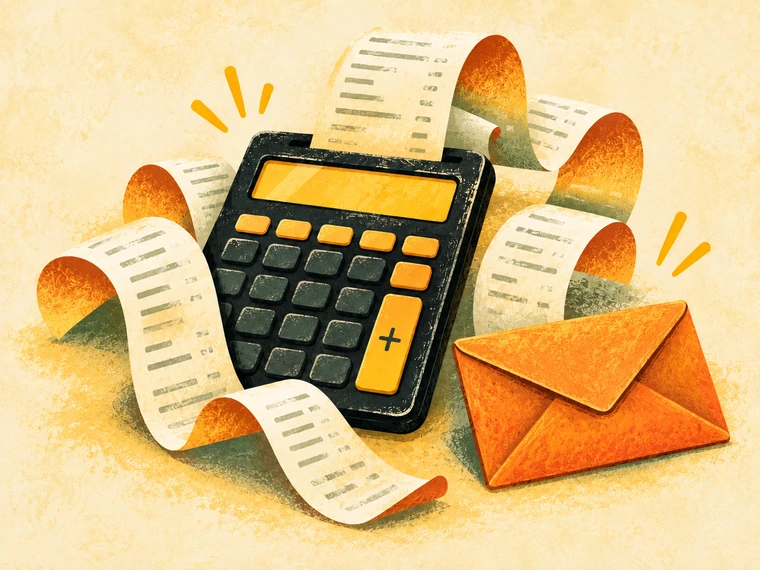
Recurring bills can be easy to accept as fixed, but some may be worth reviewing. Look at the services you pay for, how much you use them and whether another option could cost less.
11. Ask Whether an Insurance Premium Can Be Reduced
If your circumstances have changed or you have not recently used certain services, contact your insurance provider and ask whether a lower premium is available. The answer may depend on your policy and situation, but it can be worth asking.
12. Compare Service Providers
Insurance, phone, cable and similar services may cost different amounts from one provider to another. If a bill feels too high, compare alternatives before deciding whether switching makes sense.
13. Reduce Household Usage Where You Can
Small changes in daily routines may help lower some utility costs. Turn off or unplug items when they are not in use, combine laundry loads, shorten showers and adjust heating or cooling when practical.
14. Reconsider Housing Costs if a Bigger Change is Needed
Housing can take a large share of a household budget. If you need a more significant reduction, options such as moving to a less expensive home or sharing housing with a roommate may be worth considering, even though those choices require more planning than most budget cuts.
Use Extra Room in Your Budget Intentionally
Cutting expenses is only one part of the picture. If you are carrying debt, putting a little more toward payments may help you pay balances down sooner and reduce the amount of interest that continues to build. Once you free up room in your monthly budget, set a savings goal for some of the money you keep.
You can also consider whether personal savings accounts fit the way you want to organize money for future needs. The goal is not to cut every enjoyable expense. It is to identify changes that fit your priorities and make your budget easier to manage over time