How to Use Credit Wisely
Summary
- Credit can help you pay for purchases or expenses over time, but you must repay what you borrow, often with interest.
- Revolving, installment and open credit each have different payment arrangements.
- Understanding rates, fees, credit limits and repayment terms can help you avoid unexpected costs.
- Paying on time, managing balances and borrowing within your budget are important credit habits.
Credit can make a major purchase possible or give you flexibility when expenses come up. But every form of borrowing comes with responsibilities. Before you use credit, it helps to understand what you will owe, when payments are due and how those payments fit into your budget.
The goal is not simply to qualify for credit. It is to use it in a way that supports your plans without creating more debt than you can manage.
What Happens When You Use Credit?
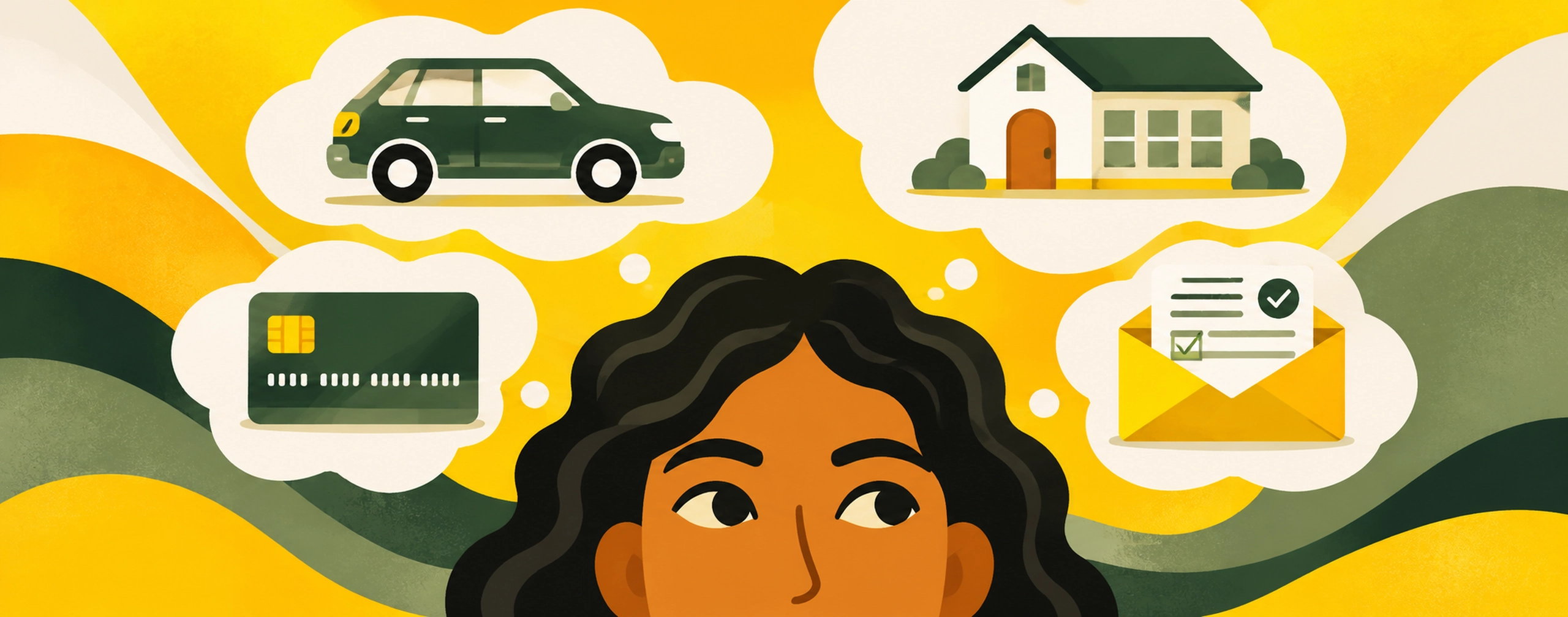
Using credit means receiving money, goods or services now with an agreement to pay later. Depending on the arrangement, you may owe interest or other fees in addition to the amount you borrowed. The agreement also sets the payment schedule and may explain what happens if a payment is late or missed.
Borrowing more than you can comfortably repay can strain your monthly finances. You may also end up owing more than the item you purchased is worth. Before committing, compare borrowing options and look at the total repayment obligation, not just the size of the monthly payment.
The Three Main Types of Credit
Revolving Credit
Revolving credit lets you borrow up to an approved limit, repay what you owe and borrow again as credit becomes available. Credit cards, home equity lines of credit and other lines of credit are common examples. Most revolving accounts require a minimum payment during each billing cycle. If you carry an unpaid balance, interest may apply under the account's terms.
Credit cards are one of the most familiar forms of revolving credit. If you are considering a card, review personal credit cards and compare their terms, fees and repayment requirements before deciding.
Installment Credit
Installment credit provides a set amount of money upfront that you repay through scheduled payments over an agreed period. Auto loans, mortgages, student loans and personal loans are common examples. The amount you borrow, the interest rate and the loan term help determine your payments and overall borrowing cost.
Open Credit
Open credit describes arrangements in which you use a service and receive a bill afterward. Cell phone and utility bills are familiar examples. These arrangements generally require payment for what you used during the billing period. Interest may not apply in the same way it does to a loan, but late or incomplete payments can lead to fees.
Credit Terms Worth Knowing
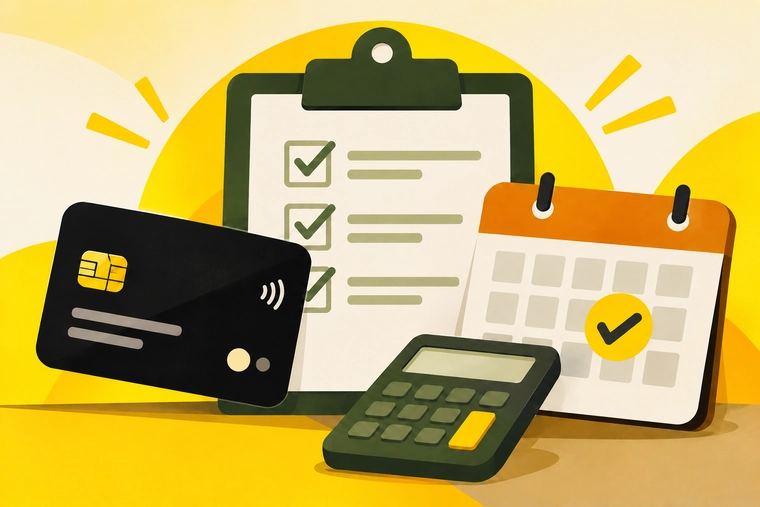
Before you agree to borrow, make sure the most important terms are clear.
Principal: The original amount borrowed on a loan, before interest and fees.
Interest rate: The percentage charged for borrowing money. A rate may be fixed or variable.
Finance charge: A cost of using credit, which can include interest.
Credit limit: The maximum amount available to borrow on a revolving credit account.
Minimum payment: The smallest required payment for a billing period. Paying only this amount may leave a balance that continues to accrue interest.
Grace period: A period during which eligible purchases may avoid interest if the balance is paid as required under the account's terms.
Annual fee: A yearly charge for holding certain credit cards.
Credit score: A number based on credit history that lenders may use when evaluating a borrower. Many commonly used scoring models have a range of 300 to 850.
Down payment: Money paid upfront toward a purchase, reducing the amount that needs to be financed.
Loan term: The length of time allowed to repay a loan.
Default: Failure to meet repayment obligations, which can lead to collection activity and other consequences under the agreement.
Habits That Can Help You Manage Credit
Pay on Time and Understand Your Balance
Make every required payment by its due date. When possible, pay your credit card statement balance in full to avoid purchase interest when a grace period applies. Paying only the minimum may keep the account current, but it can also mean paying interest for longer.
For installment loans, paying more than the scheduled amount may reduce your total interest cost and help you repay the loan sooner. Check the agreement first because some loans may have prepayment penalties.
Keep an Eye on Credit Utilization
Credit utilization compares the amount of revolving credit you are using with your available credit limit. The source article recommends keeping utilization below 30% as a general guideline. For example, on a card with a $10,000 limit, 30% represents a $3,000 balance. This is a planning guideline, not a guarantee about your credit score.
Compare Debt Payments with Your Income
Your debt-to-income ratio is calculated by dividing your total monthly debt payments by your gross monthly income. It can help you see how much room existing obligations leave for a new payment. The source article suggests a ratio below 28%, but this should be treated as a general guideline rather than a universal qualification standard. Your budget and a lender's requirements may be different.
Consider How Much You Can Pay Upfront
A larger down payment reduces the amount you need to borrow for a vehicle or home. The source article suggests aiming for 20% on major purchases when practical. That amount is a planning target, not a requirement for every purchase or loan.
Make Repayment Part of Your Budget
Before borrowing, account for existing bills, living expenses and your planned payments. If you need a starting point for organizing spending and savings, the 50/30/20 budget rule is one approach to explore. Adjust any budgeting guideline to reflect your own needs and debt obligations.

Questions to Ask Before You Borrow
- What will I repay in total? Look beyond the purchase price to interest, fees and other borrowing costs.
- When are payments due? Review the payment amount, frequency and length of the agreement.
- What happens if I miss a payment? Understand possible fees, default provisions and other consequences.
- Can my budget support this debt? Consider existing obligations and avoid borrowing more than you can reasonably repay.
Frequently Asked Questions
How is Revolving Credit Different from Installment Credit?
Revolving credit allows repeated borrowing up to an approved limit as you repay balances. Installment credit provides a set amount upfront with an agreed payment schedule and repayment term.
Will Paying the Minimum on My Credit Card Avoid Interest?
Not necessarily. The minimum payment may satisfy the amount required by the due date, but an unpaid balance can continue to accrue interest according to the card's terms.
Is 30% Credit Utilization a Required Limit?
No. 30% is a guideline for managing revolving balances, not as a formal limit or a promise of a particular credit score.
Take the Next Step With Clarity
Credit is most useful when you understand both its benefits and its cost. Start with the amount you actually need, read the agreement carefully and choose payments your budget can support. Thoughtful borrowing decisions today can leave you with more flexibility for what comes next.