

Five Smart Moves Before Retirement
Summary
- Confirm when each workplace benefit ends and what coverage will replace it.
- Review FSA and HSA rules before retirement, especially if Medicare enrollment may affect HSA contributions.
- Build a retirement-ready budget that accounts for both changing expenses and gaps between income sources.
- Review retirement account distribution choices, tax considerations and the routine you want after work.
Retirement is more than a date on the calendar. It changes how you receive income, manage benefits and spend your time.
As your final day of work approaches, you may be thinking about family, travel, a new routine or a slower pace. It is also important to understand the decisions between your last paycheck and your first months of retirement.
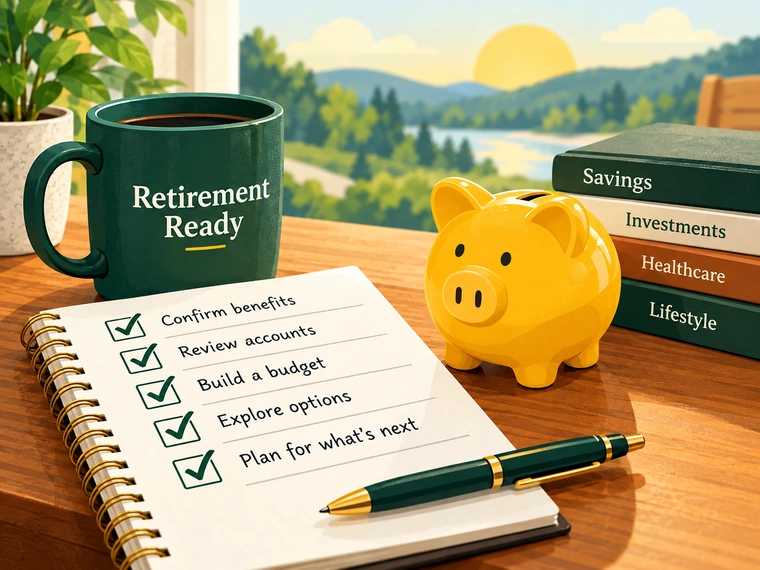
These five moves can help you prepare for the transition with greater clarity.
1. Confirm When Your Benefits End
Workplace benefits may not all end on the same day. Health, dental and vision coverage could stop on your last day, continue through the end of the month or follow another schedule set by your employer.
Ask your employer to confirm the exact end date for each benefit. Keep the appropriate contact information so you know who to call if questions come up after retirement.
Give health coverage extra attention. Before your current plan ends:
- Schedule any needed appointments
- Refill eligible prescriptions
- Review the coverage available after retirement
- Confirm when new coverage will begin
Depending on your age and eligibility, your options may include COBRA, a spouse's plan, coverage through the Health Insurance Marketplace, retiree medical benefits, Medicare or veterans' benefits.
Review any employer-sponsored life insurance too. Some plans may allow you to convert coverage to an individual policy, though the cost and terms may change.
2. Review Your Health Accounts
Flexible spending accounts and health savings accounts work differently when employment ends.
An FSA often follows a use-it-or-lose-it rule. Check your plan's deadline and eligible expenses before your retirement date so you do not leave available funds unused.
An HSA stays with you after retirement. The balance can continue to roll over and may be used for qualified health care expenses, including certain Medicare costs.
Medicare enrollment can affect your eligibility to contribute to an HSA. The timing can depend on your enrollment date and individual circumstances. Confirm when contributions should stop with your benefits administrator or tax professional before making changes.
3. Build a Retirement-Ready Budget
Some expenses may decrease in retirement while others may increase. Commuting and work-related costs may decline. Health care, travel, hobbies and time with family may require more room in your budget.
Start with your monthly essentials:
- Housing
- Utilities
- Groceries
- Insurance
- Health care
- Debt payments
Then add the spending that supports the retirement you are planning.
Pay close attention to timing. Your final paycheck, Social Security benefits, pension payments and retirement account distributions may not begin on the same schedule.
A short-term cash cushion can help cover the time between income sources. It may also reduce pressure to make a large retirement account withdrawal at an inconvenient time.
4. Understand Your Retirement Account Options
After years of saving, the next question is how to use what you have built. Your decisions may affect taxes, fees, flexibility and the amount available over time.
Review each workplace retirement plan, IRA and pension. Understand:
- Your available distribution choices
- The potential tax impact
- Applicable fees
- Required minimum distributions that may apply
- How each account fits into your broader income plan
Consider keeping enough money in checking or savings to cover several months of expenses before retirement. This may help if another source of income is delayed.
Be cautious with large early withdrawals from pre-tax accounts. A large distribution during the same year you receive employment income may increase your taxable income.
A tax professional can help you understand the potential impact before you act.
Your plan should also look beyond the first year. Consider how much you may need to withdraw, which accounts you may use first and how your approach could change over time. A qualified financial professional can help you compare your options and prepare for expected and unexpected expenses.
5. Plan for Life After Work
Financial preparation is only part of retirement. Work often provides structure, connection and a sense of purpose. When that routine ends, it helps to know what may take its place.
Think about what a typical week could look like:
- Who do you want to spend time with?
- Which activities help you stay connected?
- What interests or goals would you like to pursue?
- How will you support your physical and emotional well-being?
You do not need to plan every day. A simple rhythm may be enough. Make room for family, community, health, learning, travel or a long-standing interest.
The goal is to enter retirement with something meaningful to move toward, not only something to leave behind.
“Retirement planning becomes more manageable when you turn one big transition into a series of smaller decisions. Start with the dates you can confirm, then build your budget and income plan around what you know.”
- First Wealth Management
Start With Two Conversations
First, ask your employer when each benefit ends. Then review the expected timing of your first retirement income payments.
These answers can help you identify possible gaps in coverage or cash flow.
Next, gather your budget, account information and questions. Review them with the appropriate financial, tax or benefits professional.
Clear guidance now can help you approach retirement with fewer surprises and a plan built for what comes next.
Frequently Asked Questions
When should I confirm when my workplace benefits end?
Confirm the end date for each benefit before your retirement date. Health, dental, vision and other benefits may follow different schedules, so ask your employer for the exact timing.
What happens to an HSA after retirement?
An HSA stays with you after retirement and the balance can continue to roll over. Medicare enrollment can affect whether you are still eligible to contribute, so confirm the timing with your benefits administrator or tax professional.
Why is a cash cushion useful before retirement?
Your final paycheck, Social Security benefits, pension payments and retirement account distributions may start at different times. A short-term cash cushion can help cover those gaps and reduce pressure to make a large withdrawal at the wrong time.
Which retirement accounts should I review before I retire?
Review each workplace retirement plan, IRA and pension. Understand your distribution choices, potential tax impact, applicable fees and any required minimum distributions that may apply.