
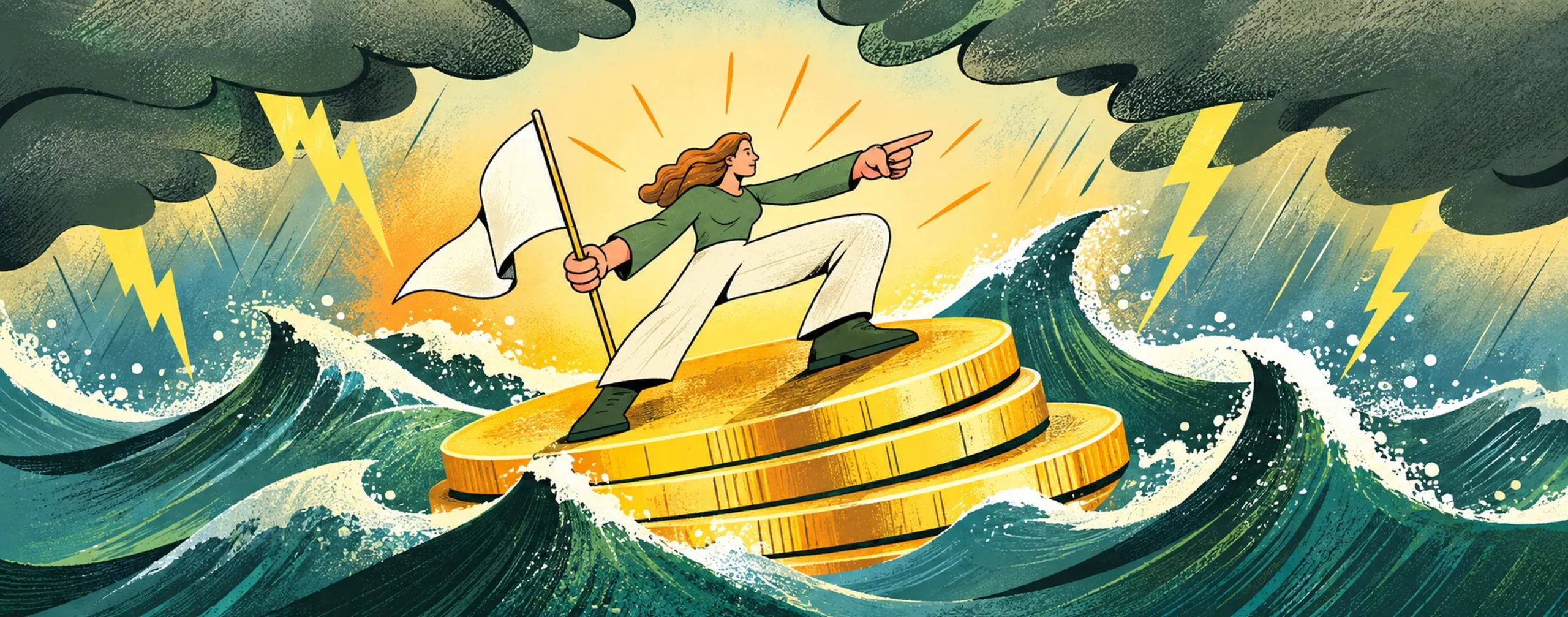
Financial Steps to Take After a Natural Disaster
Summary
- Put safety and immediate needs first, then look for local, state or federal recovery assistance that may be available.
- Contact your insurance provider as soon as you can, document damage carefully and keep receipts for disaster-related expenses.
- Protect your personal information, be cautious about urgent requests for money and contact your lender if making payments becomes difficult.
- Replace important records and keep documentation of assistance, insurance payments and losses for possible tax or credit follow-up.
A natural disaster can disrupt your home, work and finances all at once. Once you and your household are safe, focusing on a few financial priorities can help you organize the next steps and keep important details from getting lost during recovery.
Six Financial Steps After a Natural Disaster
1. Look for Disaster Recovery Assistance
Immediate help may be available through local relief organizations, including shelters, food and clothing assistance. For longer-term recovery, federal or state programs may also offer support depending on the disaster declaration and your eligibility.
FEMA assistance may help with certain disaster-related needs, and other programs may include food assistance, disaster unemployment benefits or SBA disaster loans. DisasterAssistance.gov can help you identify federal assistance connected with a declared disaster. If your area is not part of a federal disaster declaration, check with your state emergency management agency for available resources.
2. Contact Your Insurer & Document the Damage
If insured property was damaged, contact your insurance provider promptly and ask about the claims process and any deadlines that apply. Take photos or videos before making temporary repairs whenever it is safe to do so, and document the condition again after the repairs.
Keep receipts for lodging, supplies and other disaster-related expenses. If damaged property may be part of a claim, avoid discarding it until you have confirmed what your insurer or adjuster needs to see.
3. Be Cautious About Disaster-Related Scams
Disasters can create opportunities for scammers to impersonate government agencies, charities, contractors or other organizations. Be wary of anyone who asks for upfront payment or sensitive information, especially if they pressure you to act immediately.
Take extra care to protect your personal information. When you are unsure whether a request is legitimate, verify it through the organization's official website or contact information before sharing information or sending money.

4. Contact Lenders if Payments May Be Difficult
If the disaster affects your ability to make mortgage, auto, student loan or other payments, contact your lender as soon as possible. Depending on the lender and your circumstances, options may include temporary payment relief or waived late fees.
Ask for the terms of any arrangement in writing, including how it may affect your account or credit reporting. As recovery continues, review your credit report to make sure information related to any assistance is reported as expected.
5. Replace Important Documents
Lost or damaged records can make financial recovery more difficult. Start replacing documents such as birth certificates, Social Security cards, insurance policies, tax records, mortgage records or property records as soon as you reasonably can.
In most cases, the issuing organization can tell you how to request a replacement. That may include a government records office, lender, insurer or other agency.
6. Keep Records & Review Tax Implications
Disaster-related tax rules depend on the event and your circumstances. In some federally declared disaster areas, the IRS may provide filing or payment relief, and certain disaster-related payments or losses may receive special tax treatment.
Keep records of disaster assistance, insurance reimbursements, expenses and losses. Review current IRS disaster-relief guidance for the specific event and consider speaking with a qualified tax professional before making tax decisions.
Moving Forward After a Disaster
Financial recovery can take time, and not every step needs to happen at once. Focus first on safety, immediate assistance and time-sensitive claims or payments, then work through records and follow-up items as you are able.
As immediate pressures ease, you can decide when it makes sense to rebuild your savings. Keeping good records and staying in contact with insurers, lenders and assistance agencies can make the recovery process easier to manage.